


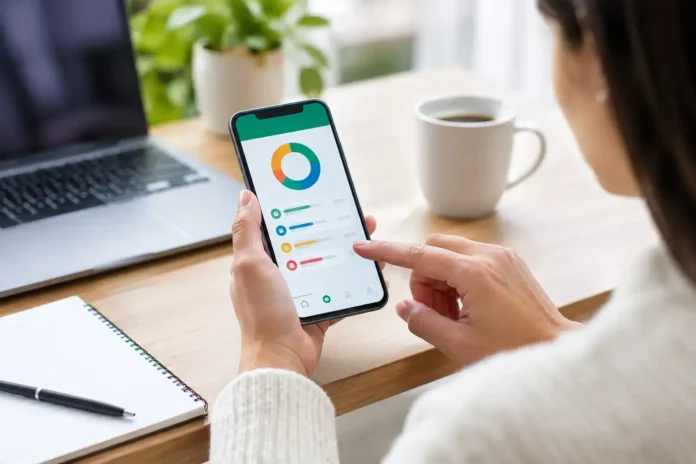
A budgeting app can show you where your money went last month. A useful one helps you decide where it should go next month. That distinction is the foundation of worthwhile budgeting app reviews, especially for investors who want to increase savings, avoid high-interest debt, and invest consistently without guessing what is left in the checking account.
The best app is rarely the one with the most colorful dashboard or the highest app-store rating. It is the one whose method you will use after the first burst of motivation fades. Before comparing brands, understand the job you need the app to perform.
What Budgeting App Reviews Should Measure
A budgeting app is not automatically a financial plan. Many apps collect transactions, sort them into categories, and create attractive charts. That can improve awareness, but awareness alone does not change behavior. A strong budget creates a decision process for income before spending happens.
When evaluating an app, start with five questions. Does it match your preferred budgeting method? Can you trust the transaction data? Does it make recurring decisions easier? Is the subscription cost reasonable for the value it provides? Does its privacy approach fit your comfort level?
The answer will vary. Someone paid twice a month with a predictable household budget may benefit from assigning every dollar a purpose. A freelancer with uneven income may need a tool that emphasizes cash flow and upcoming bills. An investor who already tracks spending well may only need account aggregation and net-worth reporting, rather than a detailed budgeting system.
The Budgeting Method Comes First
Most apps fall into a few broad approaches. Zero-based budgeting asks you to assign every available dollar to a category, such as rent, groceries, emergency savings, or a brokerage contribution. This approach is especially helpful when you want tighter control over spending or are working toward a specific goal.
Traditional category budgeting sets monthly spending targets and compares actual purchases against those targets. It is simpler to begin with, though it may be easier to ignore when categories regularly go over budget.
Envelope-style budgeting separates money into spending buckets. Some apps use digital envelopes, while others use categories that work much the same way. This method can be effective for households that tend to overspend in a few predictable areas.
Finally, some personal finance apps are primarily trackers. They show spending patterns, bills, balances, and net worth, but they may not require you to allocate money in advance. Tracking can be valuable, particularly for long-term planning, but it does not replace a spending plan.
Choose the method before choosing the software. An app built around a method you dislike will become another subscription you stop opening.
A Practical Look at Common Budgeting App Types
The names in budgeting app reviews matter less than the trade-offs behind them. Still, understanding the major options can make your research more efficient.
YNAB for Hands-On Zero-Based Budgeting
YNAB is built around giving each dollar a job. It is designed for people who want to make deliberate decisions with the cash they currently have, rather than relying on a broad monthly estimate. Its approach can be powerful for reducing overspending, building a cash buffer, and directing money toward investing goals.
The trade-off is effort. You need to review categories, assign money, and adjust the plan when spending changes. That is a feature for users who want active control, but it can feel demanding if you want budgeting to happen mostly in the background. Its subscription cost also deserves scrutiny. A paid tool should save you more through better decisions than it costs each year.
Monarch Money for Household Visibility
Monarch Money is generally aimed at people who want a broad view of spending, accounts, goals, and household finances. Its collaborative features may appeal to couples or families who want to see the same financial picture without passing spreadsheets back and forth.
It can be a strong fit if account visibility and shared planning matter as much as detailed category control. The main question is whether you will use enough of its planning features to justify the ongoing fee. If you only want to check balances and review spending once a month, a simpler option may be sufficient.
Rocket Money for Subscription Awareness
Rocket Money is often considered by people who want to identify recurring charges, monitor bills, and get a clearer picture of routine spending. This can be useful if subscriptions, variable bills, or forgotten renewals are the main source of budget leakage.
However, managing subscriptions is only one part of a financial system. Canceling a few unused services can create a quick win, but it does not automatically establish a plan for emergency savings, retirement contributions, or investment deposits. Consider it a possible spending-management tool rather than a complete investing framework.
Goodbudget for Digital Envelope Users
Goodbudget centers on the envelope method, making it a sensible option for people who prefer clear limits for categories like dining out, transportation, gifts, and travel. The visual simplicity can help newer budgeters understand trade-offs before they spend.
Its limitations may show up if you want extensive investment tracking or fully automated transaction management. Manual entry can improve awareness for some users, but others will abandon the process quickly. Be honest about whether manual work will make you more disciplined or simply less likely to use the app.
EveryDollar for a Simple Planning Routine
EveryDollar uses a straightforward zero-based budgeting structure. It may appeal to users who want a clear monthly plan without an overloaded interface. For beginners, a simple design can be an advantage because it keeps attention on income, expenses, and goals.
As with other tools, check which features require a paid version and how well account connections work for your bank. An app that requires frequent corrections after syncing transactions can create frustration rather than clarity.
Empower for Net Worth and Investment Tracking
Empower is often more relevant to investors than strict budgeters because it emphasizes account aggregation, net worth, cash flow, and investment visibility. If you have retirement accounts, a taxable brokerage account, and several bank accounts, seeing them in one place can be useful.
But investment tracking and budgeting are different tasks. Net-worth graphs can be motivating, yet they may not help you control restaurant spending or plan for an annual insurance bill. Investors may benefit from using a net-worth tool alongside a simpler monthly budget.
Check Data Connections and Privacy Carefully
Budgeting apps frequently connect to your financial institutions through third-party data services. Connection quality matters because a budget becomes unreliable when transactions are delayed, duplicated, or assigned to the wrong category.
Before committing, test the app with your primary checking account and credit card. Look at how often transactions update, whether pending purchases are handled clearly, and how easy it is to recategorize an error. Also consider what happens when a connection breaks. A good tool provides a practical way to repair the connection without forcing you to rebuild months of work.
Privacy deserves equal attention. Read what data the company collects, how it uses that data, and whether it sells or shares information for advertising purposes. Use a unique password and multi-factor authentication when available. No budgeting app should have the ability to move money from your account unless that capability is necessary and you understand the authorization.
Do Not Let a Budget App Replace an Investment Plan
A budgeting app can create the conditions for investing, but it cannot decide your risk tolerance, asset allocation, or time horizon. Its most valuable role for investors is helping turn investing into a planned expense rather than an occasional leftover.
For example, you might create separate categories for an emergency fund, employer retirement contributions, an IRA, and taxable investing. Your priorities should reflect your circumstances. Paying down high-interest credit card debt and building a basic emergency reserve often come before increasing taxable investment contributions.
Automation can help once your plan is sound. Schedule transfers after payday, then use the budget to confirm that the transfer does not conflict with bills and short-term obligations. This keeps investing consistent while reducing the temptation to invest money you may need soon.
How to Choose Without Overthinking It
Start with a 30-day test. Use one app to categorize transactions, set realistic targets, and review the budget at least once a week. Do not judge the app based on whether every category is perfect in week one. Judge it based on whether it helps you make a better decision before the next purchase.
If you consistently avoid opening the app, choose a simpler system. If you know where your money goes but still overspend, choose a more active method such as zero-based or envelope budgeting. If you and a partner struggle to coordinate, prioritize shared visibility. The right tool is the one that supports repeatable behavior, not the one with the longest feature list.
A budget should make room for the future you are trying to build. When each paycheck has a clear purpose, investing becomes less dependent on willpower and more like any other planned financial commitment.